

Why Cellular Calling Is More Reliable Than Wi-Fi for Triple Zero (000) Emergencies in Australia
27 Apr, 2026
When an emergency happens, nothing matters more than getting through—fast.
Many Australians rely on Wi-Fi calling indoors, assuming it’s just as reliable as a mobile network. But when it comes to calling Triple Zero (000), that assumption can introduce risk.
In critical moments, cellular networks are generally more reliable than Wi-Fi calling—and the difference can affect whether your call connects at all.
How Emergency Calling Works in Australia
In Australia, Triple Zero (000) is the primary emergency number for police, fire, and ambulance services. Australian Communications and Media Authority oversees the system, and calls are answered by a national operator before being transferred to the appropriate service.
Key points:
- Calls to 000 are free and can be made from most phones
- Mobile emergency calls can connect even without a valid plan or SIM
- If your provider has no coverage, your phone can use any available mobile network to complete the call
This level of built-in redundancy is one of the biggest advantages of cellular networks over Wi-Fi.
There are also two secondary emergency service numbers:
112—the international standard emergency number, which can only be dialled on a digital mobile phone. It does not require a simcard or pin number to make the call, however mobile coverage must be available from at least one carrier for the call to proceed.
106—the emergency number which connects to the text-based relay service for people who are deaf, or have a hearing or speech impairment, which can be called from a TTY (also known as a teletypewriter or textphone).
Why Wi-Fi Calling Can Be Less Reliable in Emergencies
Wi-Fi calling is designed for convenience—not for mission-critical situations. While it can work for emergency calls, it has several limitations.
1. It Depends on Your Internet Connection
Wi-Fi calling relies entirely on your broadband service. If your internet is:
- Down
- Congested
- Poor quality
your call may be delayed, degraded, or fail entirely.
Unlike mobile networks, Wi-Fi systems don’t have the same level of failover, redundancy, or prioritisation for emergency traffic.
2. Location Information Is Less Reliable
When you call 000 over a mobile network, your location can often be automatically provided to emergency services.
With Wi-Fi calling, that’s not guaranteed.
- You may need to pre-register an address with your provider
- If you move locations, that information may be outdated
- Emergency responders may rely on what you verbally communicate
3. Phones May Choose the Wrong Network
Modern smartphones automatically switch between Wi-Fi and cellular networks.
In some cases, your phone may:
- Prefer Wi-Fi even when it’s unstable
- Delay switching back to cellular
- Experience connection issues during the transition
Research has shown that network selection issues can lead to delays or failed emergency call attempts, especially indoors.
4. Indoor Environments Add Complexity
Buildings often block mobile signals due to materials like:
- Concrete
- Steel
- Energy-efficient glass
This is one reason people rely on Wi-Fi calling indoors—but it’s also where emergency calling becomes more fragile.
Switching between weak cellular and Wi-Fi networks can increase the risk of:
- Dropped calls
- Delayed connections
- Failed call attempts
The Solution: A Mobile Signal Repeater or DAS System
The most effective way to ensure reliable emergency calling indoors is to bring strong mobile signal into the building.
Mobile Signal Repeaters
A mobile signal repeater captures outdoor signal and amplifies it indoors, providing:
- Stronger voice call reliability
- Faster call setup times
- Reduced dropped calls
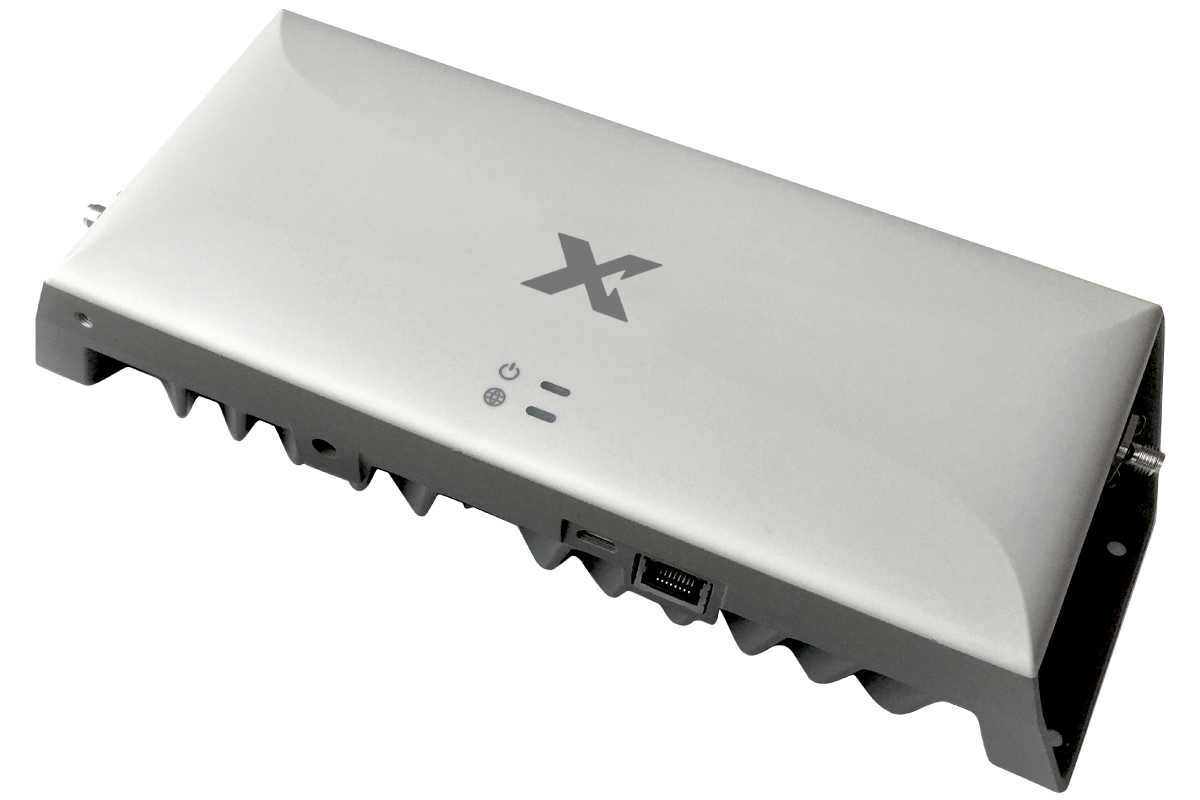
DAS System for Large Buildings
For commercial spaces, a DAS system (Distributed Antenna System) is the gold standard.
Solutions like Nextivity’s CEL-FI QUATRA:
- Distribute strong mobile signal throughout the building
- Support multiple carriers
- Deliver consistent, high-quality coverage in hard-to-reach areas
Most importantly:
They ensure your building relies on cellular—not Wi-Fi—for critical calls.
Why Cellular Networks Are Built for Emergency Reliability
Cellular networks are specifically designed to support emergency services.
Priority Access to Emergency Calls
Australian mobile networks are required to prioritise emergency calls and ensure they are routed correctly.
- Calls to 000 are handled with special priority
- They can connect even without a subscription
- They are routed through dedicated systems to emergency operators
Network Redundancy and Coverage
One of the biggest advantages of cellular calling:
Your phone can connect to any available mobile network to complete a 000 call.
That means even if your provider has no signal, your call may still go through—something Wi-Fi cannot replicate.
Faster and More Consistent Call Setup
Cellular networks are engineered for:
- Mobility
- Handover between towers
- Consistent voice quality
This results in faster and more reliable call connections compared to internet-based calling, particularly in high-stress scenarios.
When Wi-Fi Calling Still Helps
Wi-Fi calling isn’t useless—it can be valuable when:
- You have no mobile signal at all
- You’re in remote or heavily shielded buildings
- Your internet connection is strong and stable
In Australia, 000 calls can still be made over Wi-Fi calling, but it should be considered a fallback—not the first choice.
The Real Issue: Weak Indoor Mobile Coverage
If cellular is more reliable, why do problems still occur?
Because modern buildings often block mobile signals.
This forces phones to:
- Operate on weak cellular connections
- Or switch to Wi-Fi calling (with its limitations)
Improving indoor mobile coverage—rather than relying on Wi-Fi—is key to more reliable emergency calling.
Real-World Reminder: Network Failures Do Happen
Even robust systems can fail.
For example, a major outage in Australia disrupted access to Triple Zero services and was linked to serious consequences, highlighting how critical reliable connectivity is.
Key Takeaway
When it comes to emergency calls in Australia:
- Cellular calling is generally more reliable than Wi-Fi calling
- It offers priority handling, better routing, and network redundancy
- Wi-Fi calling should be treated as a backup option only
If you want the best chance of reaching Triple Zero (000) quickly, maintaining a strong mobile signal is essential.